What should a store owner do when shoppers game a free shipping threshold with returns?
Add a filler item to unlock free shipping, then send it back. It is a small trick per order, and it quietly costs you shipping both ways. Here is how to handle it.
How the filler-item play works and why it is hard to see
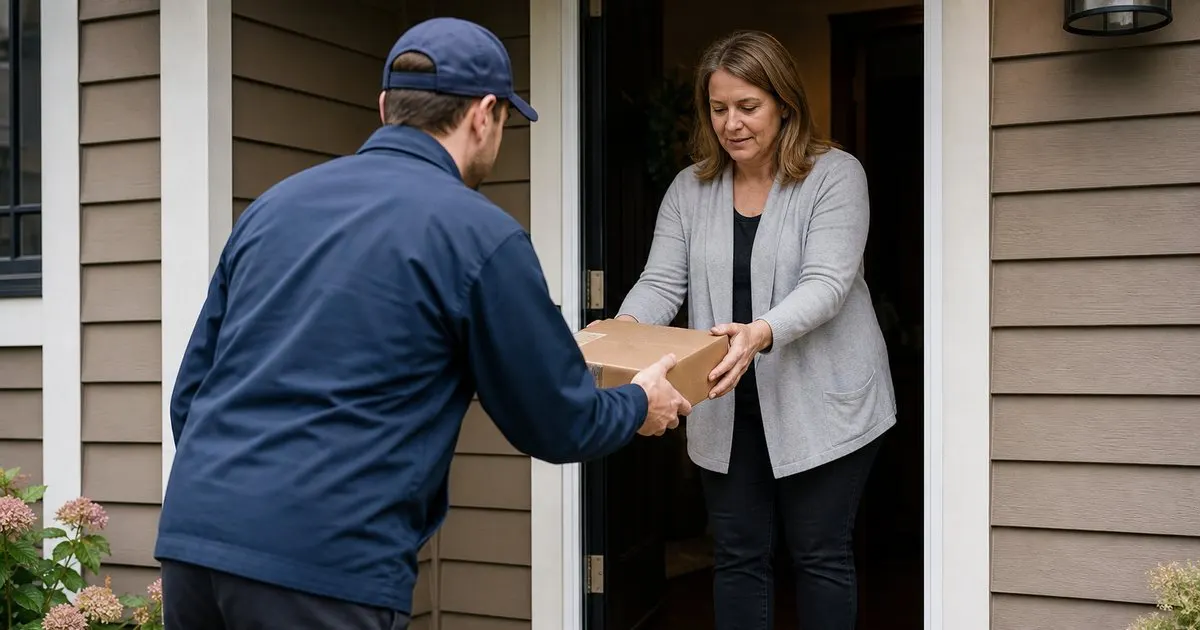
Your store offers free shipping over a threshold, say a round number a little above your average order. A shopper's cart sits just below it. They add the cheapest item that gets them over the line, receive the order with free shipping, and return the filler item for a refund. If your policy also offers free return shipping, you have now paid outbound and inbound postage on an order that never qualified for free shipping in the first place. A variant is bracketing: ordering two sizes or colors to clear the threshold, keeping one, and returning the other.
This is hard to spot because each instance looks like a normal order followed by a normal return. Your shipping report shows a free-shipping order, your returns report shows a single-item return, and nothing links them to the threshold. Shopify checks the minimum purchase requirement once, at checkout, against the subtotal at that moment. It has no concept of the order later dropping below the line. The pattern only becomes visible when you join orders that used the free shipping discount to their returns and ask how many of those returns pushed the kept value under the threshold. Related: How do you stop an influencer discount code from spreading beyond its intended audience?
Keep reading: How Coupon Abuse Eats Your Margin, Spotting a Leaked Discount Code, Coupon Stacking and How to Prevent It. See how CouponFence helps you discount and coupon abuse guard for shopify stores.
Measure it before you change anything
Pull a list of orders that used your free shipping discount over the last few months, then match them to refunds. For each, compute the value of what the customer kept. The share of free-shipping orders where the kept value fell below the threshold is your abuse rate, though some of it is innocent, since people return things for fit and quality reasons regardless of shipping. To separate the two, look at which items were returned. A filler item is typically the cheapest line on the order, often unrelated to the rest of the cart, and returned unopened. Bracketed size pairs are the other signature. Related: How Coupon Abuse Eats Your Margin
Then price it. Multiply the affected orders by your actual outbound shipping cost, plus return shipping if you cover it, plus restocking labor. Compare that to the incremental revenue the threshold generates by lifting average order value. In many stores the threshold still wins comfortably and the right move is to trim the abuse rather than kill the offer. If the numbers come out close, the threshold is probably set too low relative to your margin, which is a different fix.
Adjust policy and refund handling so the trick stops paying
The cleanest lever is in your returns policy: state that if a return brings the kept order value below the free shipping threshold, the original shipping cost will be deducted from the refund. Shopify lets you edit the refund amount when processing a return, so this is operationally simple. Say it plainly on the returns page and in the order confirmation, because a deduction that surprises a customer generates a chargeback, while one they were told about generates at most a grumble. Charging for return shipping on filler-style returns, while keeping it free for defective items, is a reasonable middle ground.
Structural changes help too. Set the threshold at a level where the cheapest filler would be a meaningful purchase, or exclude very low-priced items from counting toward it. Shopify's free shipping discount applies its minimum to the whole order subtotal, so excluding specific items usually takes an app or checkout customization, but you can raise or reshape the threshold in the native settings today. Some merchants replace free shipping over a threshold with a flat reduced rate over the threshold, which cuts the incentive to reach it artificially without removing the reward for larger carts. Related: Promotions That Grow Without Leaking
Handle the serial cases differently from the accidental ones
A customer who does this once may not even think of it as gaming. Someone who does it on every order is a different matter. Track return-to-order ratios for customers who use free shipping and flag those whose returns consistently land the order just under the line. For those accounts, remove free shipping eligibility, either by tagging them in Shopify and building the discount's customer eligibility around a segment that excludes that tag, or by handling their orders manually. Tell them why; most stop. Related: Repeat Abuse by the Same Accounts
Keep the good customers in mind throughout. High-return customers in apparel are often also high-spend customers who buy a lot and keep most of it. A blanket crackdown on returns will cost you those buyers. The goal is narrow: stop paying shipping on orders that were engineered to qualify and would not have otherwise. If your policy change and account flags achieve that while everyone else experiences no difference, you have done it right.
- Shopify checks a free shipping minimum once at checkout, so a return that drops the kept value below it goes unnoticed unless you look.
- Join free-shipping orders to their refunds and look for cheapest-line-item returns and size bracketing to size the problem.
- State in your returns policy that original shipping is deducted when a return breaks the threshold, then edit refund amounts accordingly.
- Flag serial cases by return ratio and remove their free shipping eligibility rather than tightening returns for everyone.

Julien Jimenez
Julien Jimenez is an independent software builder based in Paris. He designs, ships, and operates focused SaaS products for small businesses and independent professionals. Read the full author page.
Stop discount codes from eating your margin
Discount and coupon abuse guard for Shopify stores. CouponFence is built to help you put this into practice.
Protect my promosMore from the CouponFence blog
How Coupon Abuse Eats Your Margin

Spotting a Leaked Discount Code

Coupon Stacking and How to Prevent It
Get the CouponFence playbook
Practical guides on promo protection, straight to your inbox as we publish them. No spam, unsubscribe any time.